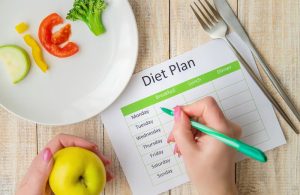

Living with Polycystic Ovary Syndrome (PCOS) can feel overwhelming because the condition affects far more than reproductive health. Many women experience irregular menstrual cycles, weight gain, insulin resistance, acne, excessive hair growth, fatigue, and emotional challenges that impact daily life. While medications may play an important role in treatment, nutrition remains one of the most powerful tools for managing symptoms and improving overall well-being. A carefully planned PCOS Diet Plan is not about following restrictive trends or eliminating entire food groups. Instead, it focuses on creating sustainable eating habits that support hormone balance, stabilize blood sugar, reduce inflammation, and provide consistent energy throughout the day. Research continues to show that even modest dietary improvements can positively influence insulin sensitivity, metabolic health, and reproductive function. Rather than aiming for perfection, women with PCOS benefit most from developing realistic habits they can maintain for years. Understanding how food interacts with hormones empowers individuals to make informed choices that support long-term health instead of relying on temporary diets.
Understanding Why Nutrition Matters in PCOS
PCOS is closely connected to metabolic health, particularly insulin resistance. Many women with the condition produce higher levels of insulin, causing the body to store more fat and stimulating the ovaries to produce excess androgens. These hormonal changes contribute to symptoms such as irregular ovulation, acne, and unwanted hair growth. A well-designed PCOS Diet Plan helps interrupt this cycle by supporting stable blood sugar and reducing excessive insulin production. Choosing foods that digest more slowly allows glucose to enter the bloodstream gradually, minimizing insulin spikes throughout the day. Beyond insulin management, proper nutrition supplies vitamins, minerals, antioxidants, and healthy fats that support hormone production, immune function, and cellular repair. Instead of treating food simply as calories, women with PCOS can view nutrition as an essential part of managing their condition naturally while complementing medical care.
The Link Between Insulin Resistance and Hormones
Insulin acts as a messenger that helps cells absorb glucose for energy. In many women with PCOS, cells become less responsive to insulin, forcing the pancreas to produce increasing amounts to keep blood sugar under control. Persistently elevated insulin stimulates ovarian androgen production, making symptoms more severe. A balanced dietary pattern emphasizing fiber-rich carbohydrates, lean proteins, and healthy fats reduces these insulin surges. Over time, improved insulin sensitivity supports healthier hormone regulation, more regular menstrual cycles, and improved energy levels. Although diet alone may not eliminate PCOS, it significantly improves the body’s ability to regulate important metabolic processes.
Looking Beyond Weight Loss
Many discussions about PCOS focus almost exclusively on weight reduction, but this approach oversimplifies the condition. Women of every body size can develop PCOS, and symptom improvement is not determined solely by body weight. A successful PCOS Diet Plan prioritizes better metabolic health, improved nutrient intake, reduced inflammation, and balanced hormones rather than chasing unrealistic weight-loss goals. Even individuals who experience minimal weight changes often notice improvements in energy, digestion, mood, and menstrual regularity after adopting healthier eating habits.
Building a PCOS Diet Plan That Supports Hormonal Health
Creating a sustainable eating pattern begins with emphasizing whole, minimally processed foods that nourish the body consistently. Meals should include high-quality protein, fiber-rich carbohydrates, healthy fats, and colorful fruits and vegetables that provide antioxidants and essential micronutrients. This balanced approach helps regulate appetite while reducing dramatic fluctuations in blood sugar. Whole grains such as oats, quinoa, and brown rice provide slow-digesting carbohydrates that support longer-lasting energy. Legumes contribute fiber and plant protein, while fish, poultry, eggs, tofu, and Greek yogurt offer satisfying protein sources. Healthy fats from avocados, olive oil, nuts, and seeds contribute to hormone production and improve nutrient absorption. Rather than eliminating favorite foods completely, long-term success comes from building balanced meals that satisfy both nutritional needs and personal preferences.
Choosing Smarter Carbohydrates
Carbohydrates are often misunderstood by individuals managing PCOS. Completely avoiding carbohydrates is rarely necessary or sustainable. Instead, choosing complex carbohydrates rich in fiber helps stabilize blood sugar while supporting digestive health. Whole grains, beans, lentils, vegetables, and fruits provide valuable nutrients that refined carbohydrates often lack. Fiber slows digestion, improves fullness, and contributes to healthier gut bacteria, which may also influence hormone regulation. Pairing carbohydrates with protein and healthy fats further reduces rapid blood sugar increases after meals.
The Importance of Protein at Every Meal
Protein plays an important role in appetite regulation, muscle maintenance, and blood sugar stability. Including protein at breakfast, lunch, dinner, and snacks helps reduce cravings while supporting consistent energy throughout the day. Eggs, fish, chicken, turkey, cottage cheese, Greek yogurt, tofu, tempeh, beans, and lentils all contribute valuable amino acids necessary for tissue repair and hormone production. Balanced protein intake also helps preserve lean muscle mass, which supports metabolic health and insulin sensitivity.
Foods That Help Reduce Inflammation
Chronic low-grade inflammation frequently accompanies PCOS and may worsen insulin resistance and hormonal imbalance. An anti-inflammatory eating pattern supports overall wellness while potentially reducing symptom severity. Colorful vegetables, berries, citrus fruits, leafy greens, tomatoes, and cruciferous vegetables supply antioxidants that protect cells from oxidative stress. Omega-3 fatty acids found in salmon, sardines, walnuts, flaxseeds, and chia seeds contribute to inflammation regulation while supporting cardiovascular health. Herbs and spices such as turmeric, ginger, cinnamon, and garlic also contain natural compounds that complement a healthy dietary pattern. Rather than relying on supplements alone, obtaining these nutrients through a varied diet provides additional fiber, vitamins, and minerals that benefit long-term health.
Supporting Gut Health Through Nutrition
The digestive system influences much more than nutrient absorption. Emerging research suggests that gut health affects immune function, inflammation, metabolism, and even hormone regulation. A PCOS Diet Plan benefits from including foods that nourish beneficial gut bacteria through dietary fiber and naturally fermented foods. Vegetables, fruits, legumes, oats, and whole grains provide prebiotic fibers that support microbial diversity. Yogurt containing live cultures, kefir, kimchi, sauerkraut, and other fermented foods contribute beneficial bacteria that may improve digestive balance. Maintaining a healthy gut microbiome complements other nutritional strategies aimed at improving insulin sensitivity and overall metabolic function.
Managing Cravings and Emotional Eating
Hormonal fluctuations, insulin resistance, stress, and fatigue often increase cravings for sugary or highly processed foods. These cravings can create a cycle of rapid blood sugar spikes followed by energy crashes that encourage additional overeating. Mindful eating practices help interrupt this cycle by encouraging awareness of hunger, fullness, and emotional triggers. Eating balanced meals at regular intervals reduces extreme hunger that often leads to impulsive food choices. Adequate hydration, sufficient sleep, and stress management further reduce cravings by supporting hormonal balance. Instead of labeling foods as forbidden, allowing occasional treats within an overall balanced eating pattern often proves more sustainable than strict restriction.
Lifestyle Habits That Strengthen a PCOS Diet Plan
Nutrition works best when combined with other healthy lifestyle habits. Regular physical activity improves insulin sensitivity independently of weight loss while supporting cardiovascular fitness and mental well-being. Strength training helps preserve muscle mass, increasing the body’s ability to utilize glucose efficiently. Walking, cycling, swimming, yoga, and other enjoyable activities contribute to overall metabolic health. Sleep also deserves attention because inadequate rest influences hunger hormones, insulin regulation, and stress responses. Consistently obtaining seven to nine hours of quality sleep each night complements dietary improvements and supports long-term symptom management. Chronic stress increases cortisol production, which may further disrupt hormone balance, making stress reduction techniques such as meditation, deep breathing, journaling, or spending time outdoors valuable additions to a comprehensive wellness routine.
Common Mistakes to Avoid
Many women unknowingly adopt restrictive eating patterns after receiving a PCOS diagnosis. Eliminating entire food groups, following extremely low-calorie diets, or relying on unproven supplements may provide short-term results but often become unsustainable. Another common mistake involves skipping meals to reduce calorie intake, which may worsen blood sugar instability and increase cravings later in the day. Overconsuming highly processed “health” foods that contain hidden sugars and refined starches can also interfere with insulin management. Instead of searching for quick fixes, long-term consistency remains the most effective strategy for improving metabolic health. Small, realistic improvements maintained over months and years generally produce better outcomes than dramatic dietary changes that cannot be sustained.
Expert Advice
The most successful PCOS Diet Plan is one that fits naturally into your everyday life rather than one that feels restrictive or impossible to maintain. Focus on creating balanced meals that combine lean protein, fiber-rich carbohydrates, healthy fats, and colorful vegetables instead of obsessing over calorie counting or eliminating entire food groups. Monitor how different foods affect your energy, digestion, hunger, and mood because every individual responds slightly differently. Regular follow-up with a healthcare provider or registered dietitian experienced in women’s hormonal health can help personalize nutrition strategies based on individual symptoms, laboratory findings, and lifestyle. Remember that meaningful improvements often occur gradually, so consistency should always take priority over perfection.
Conclusion
Managing PCOS requires a long-term approach that supports both hormonal balance and overall wellness. Nutrition remains one of the most effective tools available because it directly influences insulin sensitivity, inflammation, metabolic health, and energy regulation. A balanced PCOS Diet Plan emphasizes whole foods, adequate protein, healthy fats, fiber-rich carbohydrates, and nutrient-dense fruits and vegetables while encouraging sustainable habits rather than temporary restrictions. Combined with regular exercise, quality sleep, stress management, and appropriate medical care, healthy eating empowers women to reduce symptoms and improve their quality of life. Although every individual’s journey with PCOS is unique, developing consistent nutritional habits provides a strong foundation for better health today and in the future.
FAQs
Can a PCOS Diet Plan cure Polycystic Ovary Syndrome?
No. PCOS cannot currently be cured, but a healthy PCOS Diet Plan can significantly improve symptom management by supporting insulin sensitivity, reducing inflammation, balancing hormones, and promoting overall metabolic health. Nutrition works best alongside medical treatment and healthy lifestyle habits.
What foods should be limited in a PCOS Diet Plan?
Women with PCOS often benefit from limiting highly processed foods, sugary beverages, refined carbohydrates, and excessive amounts of added sugars because these foods may contribute to blood sugar spikes and worsen insulin resistance. Moderation is usually more sustainable than complete elimination.
How long does it take to see results from a PCOS Diet Plan?
Results vary depending on individual health, lifestyle, and treatment plans. Some women notice improved energy and better blood sugar control within a few weeks, while hormonal improvements, menstrual regularity, and metabolic changes may take several months of consistent healthy eating and lifestyle management.